All images courtesy of Olivia Goddard and family
“I really want to make people recognise that waking up every day and living every day fighting this condition is amazing. I'm really trying to send out the message that I believe that this condition is not a weakness. It's your strength.”
“I decided to spend my life doing what I love and not making myself unnecessarily stretched. After you've been through something so traumatic and life-changing that a lot of people are lucky enough never to experience, I think it does make you re-evaluate what's important. I'm so happy, just living my life the way I do and making sure I enjoy my life. That's the main thing for me. I think that's a really powerful message to send, especially to people who live within the rare disease world who have many uncertainties hanging over their head, you know, to enjoy and take it for what it is and focus on the positives.”
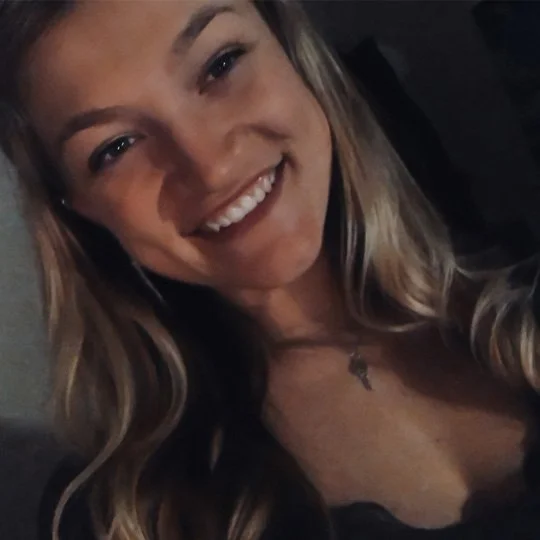
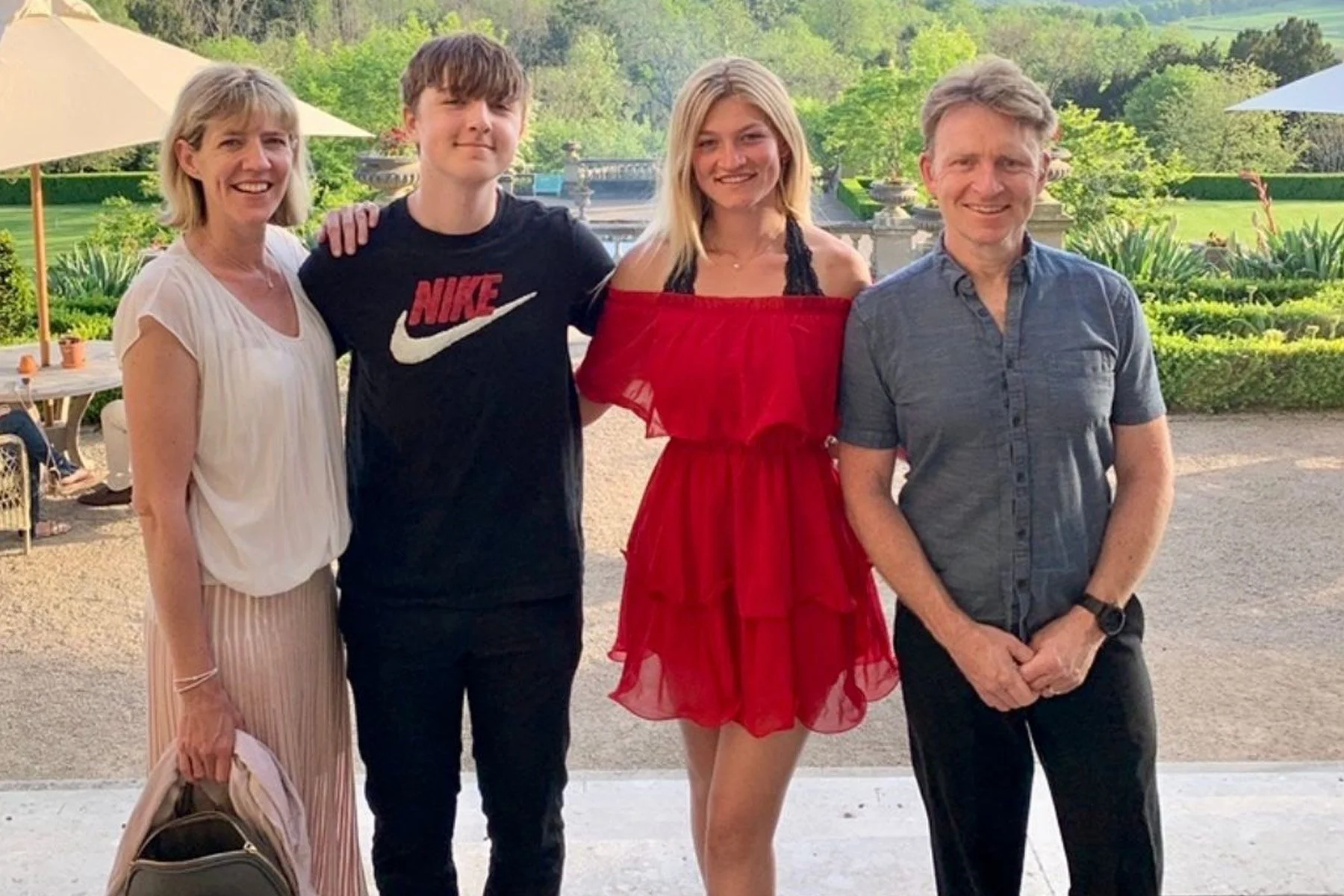
Olivia Goddard is 21 years old, and lives in Surrey with her family - Mum Clare, Dad Scott and brother Zac. Scott, Olivia and Zac all have hereditary NF2 and although NF2 is very much a part of the fabric of their everyday lives as a family, they are positive about the future, they work on enjoying life and being present in the now.
Scott was diagnosed with NF2 in his mid-twenties but had been living with many of the issues that NF2 can cause since the age of just ten years old when he’d had emergency brain surgery following the discovery of a brain tumour called a ‘meningioma.’ As NF2 is typically hereditary, both Olivia and Zac received their diagnoses early on in life and were regularly monitored by specialists throughout their childhoods.
As the years passed, Olivia thrived and blossomed into a fun-loving, happy, and busy teenager - juggling school, a burgeoning social life and her love of horses. Life was good. At the age of 15 when she was undergoing her regular assessments Olivia asked for an MRI scan, but the specialists were reluctant as she appeared so well and there was no obvious need for the procedure.
“I had to fight for my MRI because they bring you in and then they check you over, testing your reflexes and the different pressure points on your body to see how you react. They look into your eyes, your ears, and I was coming up fine. I had no headaches. My hearing was fine. My vision was fine. You know, everything was fine. And so they actually said to me, ‘you don't need an MRI’… but me being a stroppy 15-year-old girl, I wanted my MRI and I got my MRI.”
Unexpectedly, the MRI brain scan showed that in fact Olivia had been living with four developing brain tumours: an ependymoma Grade 2++ that measured approx. 8cm x 5cm (the size of a large orange), an optic nerve meningioma and two bilateral vestibular schwannomas. Typically, ependymomas grow on the spine, but hers was in her head. Her brain had moved to the left, adapting and accommodating to the tumour which was on the right side. Quite remarkably she was at the time of the MRI still functioning normally, but the tumour had developed to the point where it was presenting a danger to her life.
“Within a week of finding out the results, I was in hospital having surgery to get the tumour removed. There could have been many life-changing threats with that operation, because it was in the centre of my head surrounding my spinal cord. It's amazing that I am the way I am now, because my life could have been so different after the operation. Luckily, everything was fine, they got all of it out and, touch wood, it hasn't grown back.”
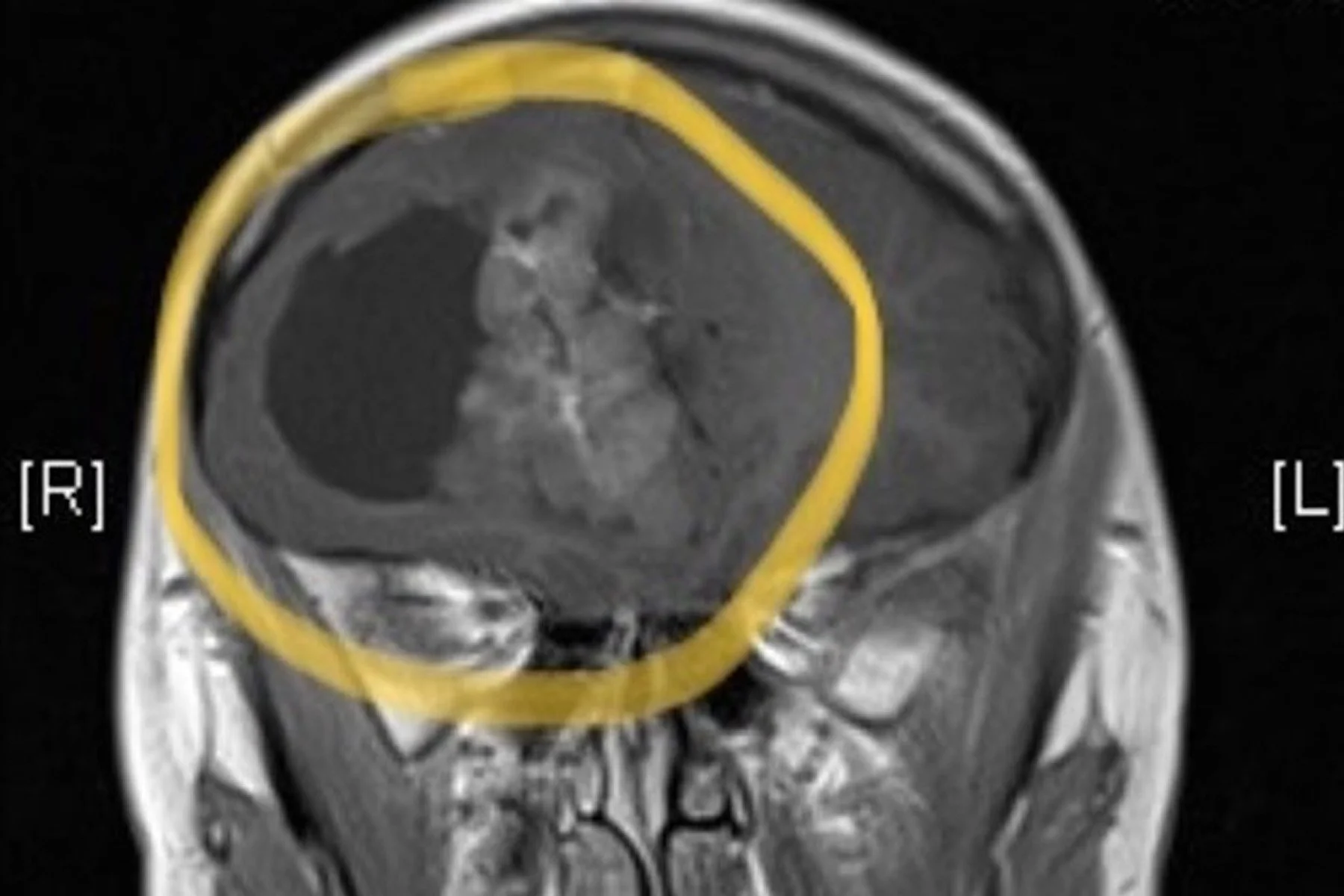
Showing the same determination that she’d needed to get the MRI, Olivia’s recovery exceeded all expectations and she walked out of hospital just over three days later and continued to make an amazing recovery. Reflecting back on that time now she remembers that despite the enormity of the situation, it felt surreal. That her initial thoughts were simply that as the brain surgery was necessary - it was best to just get on with it, to get it over and done with. It wasn’t really until the pre-operative tests were being conducted that she began to understand how life-changing the surgery might be. There were multiple possible outcomes, which may leave her with certain disabilities that many living with NF2 are left with post-surgery for particularly complex tumours. “It was a very surreal experience. After that operation I was on top of the world, you know, thinking ‘I've just smashed brain surgery.’ I actually had the mentality when I was in hospital that I wanted to be the fastest person to recover from brain surgery. That's what I had in my head, because I didn't think it was a big deal at the time. I just wanted to be the fastest person and so I was out within four days.”
Olivia recovered incredibly well and life returned to normal, albeit with monthly routine scans. A year later, it was determined that the optic nerve tumour had grown to the point that it needed to be removed and so she once again had to undergo high-risk surgery. This time around the surgery hit her hard – physically, mentally and emotionally. She struggled with the knowledge that once again she had no real choice. Although this tumour was much smaller, the surgeons explained that due to its proximity to her optic nerve it needed removing urgently. If left unchecked, it would be much harder to remove and may leave her blind. At the time she was only 16 starting her GCSEs and desperately did not want to have surgery again.
“It was a massive kick in the stomach for me, because I thought I had done my bit, I’d had brain surgery once - that's it now. Literally less than a year later, they said that I had to have that one out as well, I had a very different mentality for that first operation. I didn't have the same mindset at all going into the second one, because I didn't think I'd have to do it again.”
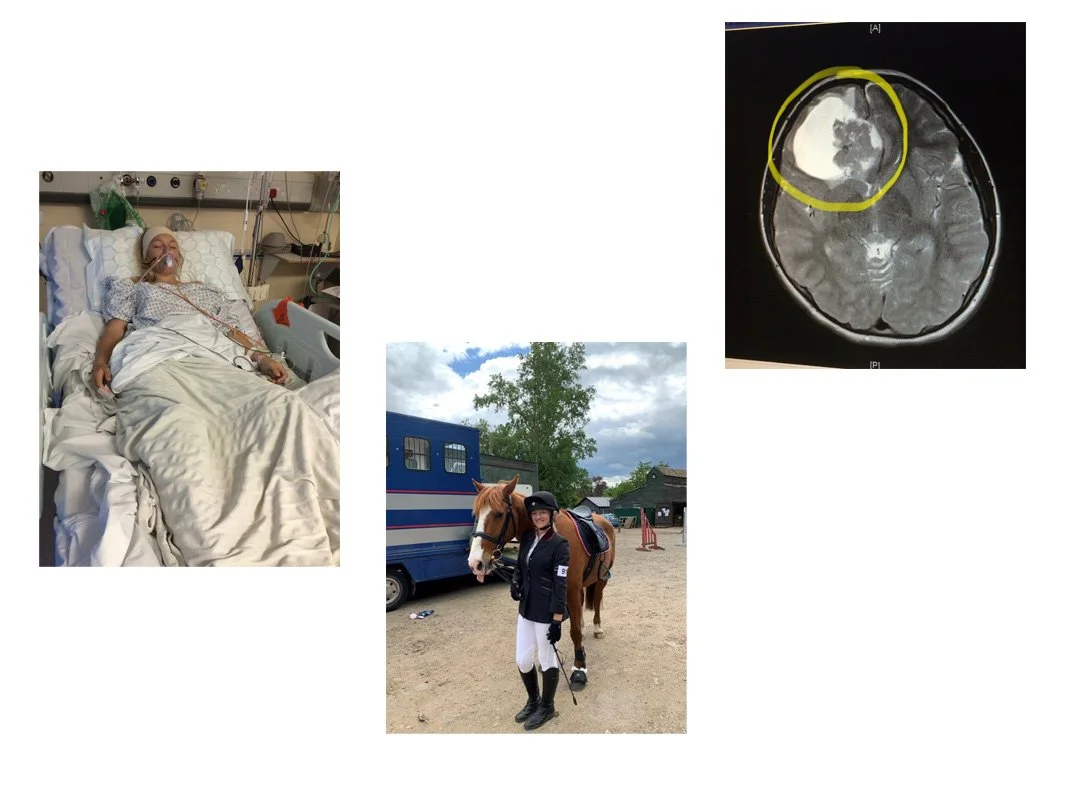
She lost sight in her right eye during this surgery as the optic nerve had to be cut. Olivia really struggled with the enormity of what had happened and the trauma and difficulties of her recovery. “There are so many parts to surgery that people don't quite realise happen. When I woke up I couldn't breathe and I couldn't see, I was completely blind. That's just a side effect of the surgery. I'm convinced that it was because of my mentality as I went into the operation because I did not want to, I was not hopeful. I was not positive. I was just doom and gloom. I'm a firm believer that you change how things are by your mentality and it's just as proof for me with those operations. I did not think that one was going to go well and I came out of it half blind.”
A very difficult period followed and within a few days of being discharged, she was re-admitted for emergency surgery as cerebrospinal fluid was leaking out of her nose. She desperately did not want to have to go back in or to have another operation. She did not want to miss her GCSE’s, her prom, or be anything other than a normal teen living her life. It was only very recently that she felt able to address the PTSD that she suffered from, as a result of the trauma of those difficult years. “I didn't realise, because I was so young, the effect that it had had on me until last year when I said to mum, ‘I actually need help now.’ I went through a lot, but it doesn’t click in your head as to why you're feeling that way. I had PTSD and I had recurring dreams every night - my dream was actually me being wheeled into the operating theatre.”
Looking back at that enormously challenging and traumatic time, Olivia is clear that the most important thing is realising and emphasising the importance of looking after your mental health. Your mental health will be the key to how you adapt and cope with the challenges NF2 can bring.
“For me, it's as much of a mental battle as it is a physical one. As I said, I am so certain that my mentality going into those last two operations had an effect on the outcome.” It is this belief that underpins her commitment to her new role for NF2 Bio Solutions as their Youth Ambassador. She is working on building a supportive online community for young people living with NF2 around the world. She believes firmly that through their shared experiences and the insights they can offer each other into their shared yet unique rare disease, they can support each other in very meaningful and powerful ways.
“I think it will be amazing for everyone's mental health. It will be really inspiring actually, to speak to all these different young people that have been through similar yet different experiences. To see what they've faced and how they're still carrying on with daily life. I really want to make people recognise that waking up every day and living every day fighting this condition is amazing. I'm really trying to send out the message that I believe that this condition is not a weakness. It's your strength.”

FIND OUT MORE
About Rarity Life:
Rarity Life is an online publication that offers those affected by rare disease, disability and cancer the opportunity to create content that is truly inclusive, to unify our collective experience and to celebrate and share our differences.
To read the latest edition and all previous releases of Rarity Life click here.
What is NF2?
Neurofibromatosis type 2 (NF2) is a disorder characterised by the growth of noncancerous tumours of the nervous system. It is caused by changes in the NF2 gene and is inherited in an autosomal dominant manner.
The signs and symptoms vary from person to person, and the severity depends on the size, location, and number of tumours. A high percentage of people with NF2 develop vestibular schwannomas affecting both ears. Other tumours of the central nervous system (the brain and spinal cord), skin and eye are also common.
Website: www.nhs.uk/conditions/neurofibromatosis-type-2
Who are NF2 Bio Solutions?
NF2 Bio Solutions is a non-profit organisation, initially established in the USA in 2018 but now with a well-established, worldwide network of local ambassadors and partner organisations, including the charity NF2 Bio Solutions UK. NF2 Bio Solutions are committed to seeking a cure, or preventative treatment for NF2 by supporting and advancing existing and next-generation biomedical technologies, such as gene therapy and immunotherapy.
NF2 support for youth and young adults
NF2 is an Autosomal Dominant Condition and tumour growth is highest during changes in hormone levels, unless it is already diagnosed due to another family member it is often found when children start to experience hormonal changes leading up to, or during their teenage years.
In recognition of the complicated emotional impact this can have at such a formative time, Olivia has recently launched a young adults’ mental health programme in her role as Youth Ambassador for NF2 Bio Solutions. “I didn't want to talk to anyone really at the time, but, if I were to have talked to someone I'd like to have talked to someone who has been through a similar experience.”
Olivia is busy working on setting up an active online community offering virtual support, one-to-one peer support and friendship for those living with NF2. To find out more you can follow the link below.
Website: www.curenf2.org