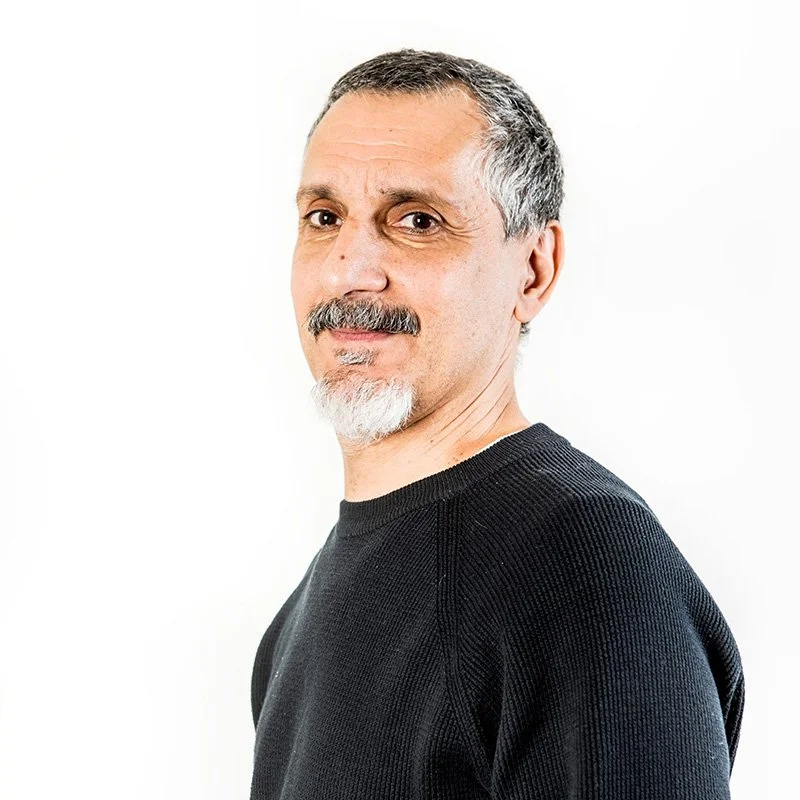
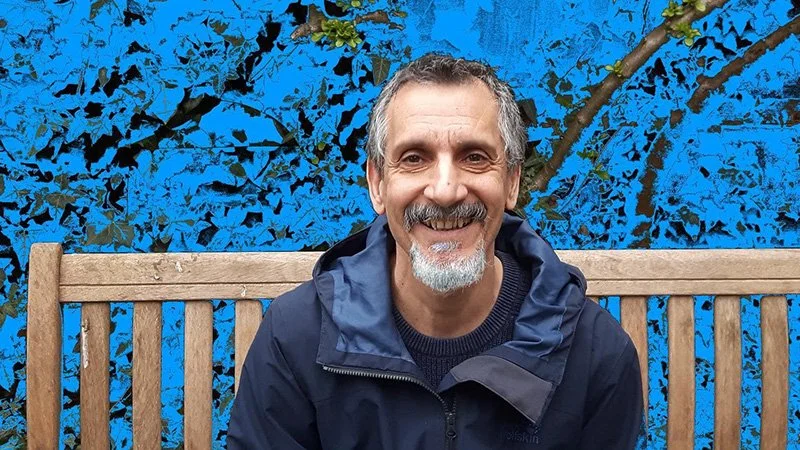
All images courtesy of Pan Pantziarka
“Grief affects people in the different ways; I wanted to try to make sure that my son's death meant something, for something more to come out of it beyond the huge empty space that his passing meant.”
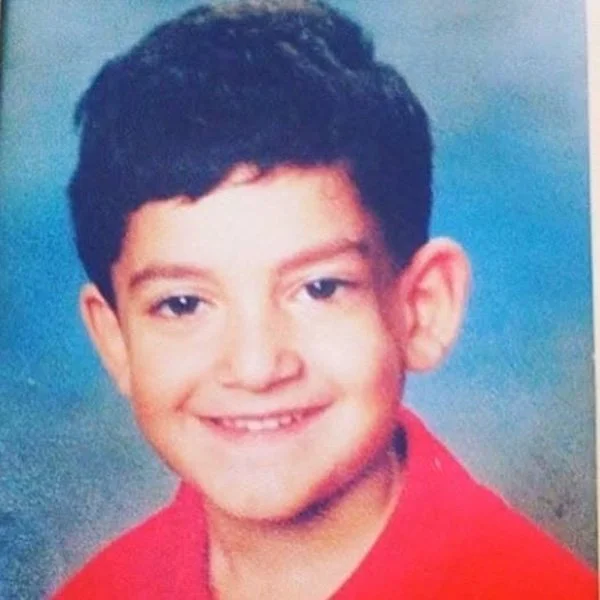
George was born in the summer of 1993 to parents Pan and Gina Pantziarka. His extended Greek-Cypriot family doted on him from the very first moment that he was born. He was a beautiful, happy and loving little boy and the first male grandchild in a noisy, loving family which included his older sister Despina. Tragically, when he was just over a year old his mother died mere weeks after a shock ovarian cancer diagnosis. A few months later, his family noticed that he had developed a hard lump to the side of his left eye. On his second birthday, George was diagnosed with his first cancer, a rhabdomyosarcoma, a cancer of the connective tissue.
Pan, taking a deep breath, explains how “my story is of course very much anchored in what happened to my son. When he developed his first sarcoma at the age of two years old it was really, really hard. Any parent of a child with cancer can tell you how hard it is. But, against the odds, George survived that.” He was treated with a course of chemotherapy which spanned several months. The treatment was successful and the family were told that he was in remission. Within months, however, the tumour had returned -this time he was initially treated with radiotherapy, followed by an operation and finally more chemotherapy. “Traces of microscopic disease remained after treatment and George was given a 5% chance of survival. But once again he survived. Despite a few scares along the way, regular hospital appointments and a slight disfigurement to his face, he led a reasonably normal, happy childhood.”
Pan remarried, and George became a big brother when his stepmother Irene gave birth to a baby boy they called Louis. The family settled into a new rhythm and life was happy. But then, at the age of fourteen, “George suddenly developed a small lump behind his right ear, which was almost certainly the result of the radiotherapy he had received as a small child. The lump was removed and testing confirmed it was a basal cell carcinoma.” Pan goes on to explain that the relief they all felt was short-lived, as just a few days later George began to experience new, worrying symptoms which saw him referred for more investigations over the summer months. He’d not long celebrated his birthday when he “was finally diagnosed with osteosarcoma of the jawbone- his third cancer by the age of just fifteen years old.”
George was old enough to understand what was happening this time. He began to read up and research his cancer and “discovered he had a 40% chance of surviving 5 years.” Pan recalls how they supported him through this, explaining to him that when he had already survived once against all odds as a little boy, he could do it again. A few months later however, George tested positive for something called Li Fraumeni Syndrome. Li-Fraumeni Syndrome (LFS) is a very rare, hereditary syndrome that significantly increases the risk of the carrier developing various types of cancer, particularly at a young age. “George’s mother had died of cancer at the age of twenty-nine and, by the age of fifteen, her son was experiencing his third cancer. The test confirmed that George had LFS, but his older sister and younger brother did not.”
George and his family tried to stay positive, to focus on fighting the cancer and looking towards the future but the following year was incredibly hard. “A year into his treatment, and after two long and gruelling rounds of chemotherapy and a twelve-hour operation to remove the tumour and reconstruct his jaw with bone from his leg, the tumour returned. From then on, George underwent various chemotherapy treatments, immunotherapy, photodynamic therapy, chemoperfusion. After the third operation attempting to remove the tumour and reconstruct his jaw, he was declared free of disease.” But any relief or joy the family might have felt was cruelly snatched away that very same day when they were informed that in fact, the disease had metastasised to his pelvis. The following months were devastating, as the cancer spread to his throat. “It was this last tumour that would eventually affect his brain functions - George passed away at home in April 2011 at just seventeen years old.”
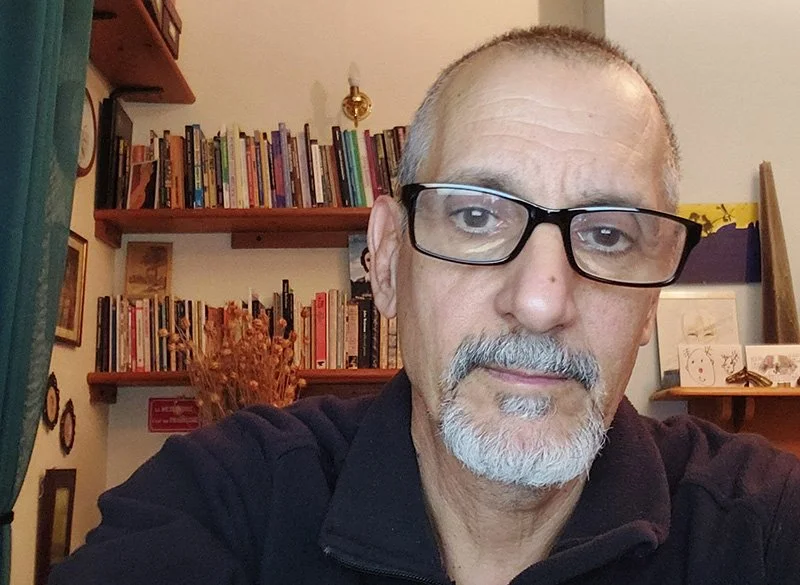
After George died, Pan and his family had to learn how to live in a world that was forever changed. “Grief affects people in the different ways. I wanted to try to make sure that my son's death meant something, for something more to come out of it beyond the huge empty space that his passing meant.” He continues, explaining that “I am a scientist, with a PhD in computer science and machine learning and I’d spent my career working in the commercial sector. In the last years of his life, I was just focused on George, but a couple of years after he died I started working in oncology. Navigating serious illness and then losing a child gives you a certain kind of a push to do things, and to get things done.”
When George was diagnosed with LFS, the family had never heard of it before. They were not only unable to find out much about the disease, they also found that “there were no support groups, and there was no one to turn to for help.” And so in 2012, Pan and Irene decided to set up the George Pantziarka TP53 Trust, a patient organisation that supports people and families living with LFS, in honour and memory of their son. “Because of our experiences when George was diagnosed with LFS, when we’d looked around and found that there was just nothing, no support organisations, and really no information, we knew that one thing that we wanted to do was to change that. To be able to be there for others on that journey. To be able to say ‘we're here, you are not alone.’” Today the George Pantziarka TP53 Trust is still the only organisation dedicated to LFS and related conditions that is based in the UK.
“For me, like a lot of people who advocate in the sarcoma community, I came to this through necessity. It was not initially through choice, but in navigating all those years of treatment where you have difficult decisions to make. ”
“You learn very quickly how things work, and even what doesn't work within in your local healthcare system. I've learned a lot from my own experiences, from talking to doctors, talking to other patients and their families.” Today the Trust offers practical support and advice, publishing information for both patients and doctors, and is dedicated to moving research outcomes and new treatment protocols forward. “The challenges are not just medical, they are also regulatory and scientific, and you have to speak to and liaise between everybody; from politicians, regulators such as NICE, the research teams through to the doctors and nurses. It requires us to collaborate with many different organisations and stakeholders to kind of move things along.”
Recently Pan joined the Sarcoma Foundation of America (SFA) as their Director of Europe Strategy and Engagement, a role about which he is both excited and passionate, because ‘for 25 years, SFA has led the sarcoma community in funding and advancing research and advocating for public policies that benefit all sarcoma patients.’ He is also the parent representative for the FOSTER consortium (Fight OsteoSarcoma Through European Research), which aims ‘to connect multidisciplinary and patient/parent advocate expertise, at a Pan-European level to improve biological, translational and clinical research on osteosarcoma, to ultimately improve survival.’ “Last year there was a global consensus meeting on the management of sarcomas for people with predispositions, such as LFS, and I attended on behalf of SFA. The good news is that more people with sarcomas are being tested for predispositions and specific guidelines for how to treat people with those predispositions are starting to emerge. For example, we know now that for people with LFS radiotherapy massively increases their risk of a subsequent cancer. Indeed, my son's osteosarcoma was on the site of the radiotherapy he'd received as a child. Of course it might well be that if not having radiotherapy now means the disease cannot be successfully treated; that radiotherapy is the best treatment, but at least there is some broad, internationally agreed guidance into disease specific treatment plans. It gives me comfort then that I'm able to try to do something meaningful in moving things forward in the research and treatment of the disease that ended up taking my son's life.”

FIND OUT MORE
About Rarity Life:
Rarity Life is an online publication that offers those affected by rare disease, disability and cancer the opportunity to create content that is truly inclusive, to unify our collective experience and to celebrate and share our differences.
To read the latest edition and all previous releases of Rarity Life click here.
About Sarcoma:
Sarcoma is a rare type of cancer, accounting for approximately 1% of all adult cancers and 21% of childhood cancers. It is broadly classified into two main categories: bone sarcomas, which develop in the bones, and soft tissue sarcomas, which develop in muscles, fat, nerves, blood vessels, and other connective tissues.
Each year, an estimated 17,000 people in the United States are diagnosed with sarcoma, including approximately 4,000 cases of bone sarcoma and 13,000 cases of soft tissue sarcoma. At any given time, more than 50,000 patients and their families are living with the challenges of a sarcoma diagnosis.
The World Health Organization (WHO) recognizes more than 100 subtypes of sarcoma. These cancers can develop anywhere in the body from connective tissues, including muscles, bones, joints, nerves, fat, and blood vessels. While sarcomas can occur in any location, they are most commonly found in the limbs, where the greatest concentration of connective tissue is located.
To find out more visit: www.curesarcoma.org
About Li-Fraumeni Syndrome (LFS):
LFS is a rare hereditary disorder that significantly increases the risk of developing various types of cancer, particularly at a young age. It is primarily caused by mutations in the TP53 gene, the gene responsible for regulating cell cycles, and preventing tumour formation.
To find out more visit: https://www.tp53.co.uk
About TP53:
The George Pantziarka TP53 Trust is the UK's only charity dedicated to supporting families with Li Fraumeni Syndrome and related conditions.
To find out more visit: https://www.tp53.co.uk
About Pan and George:
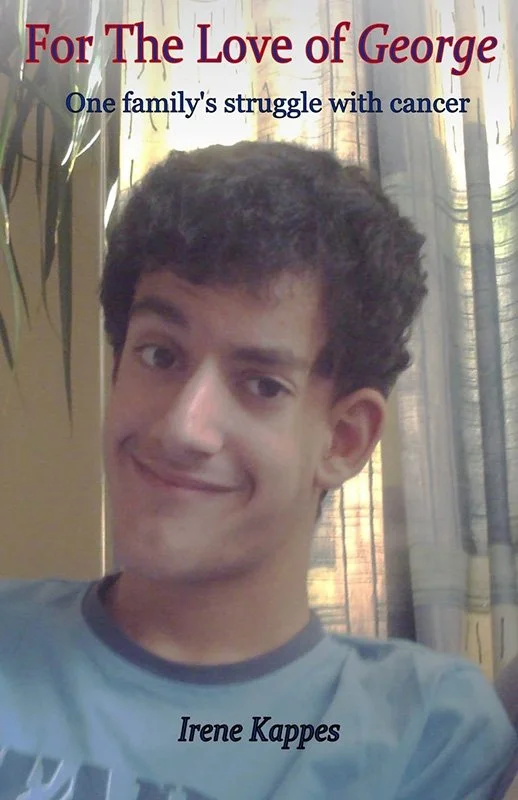
You can read more of George’s story in the book ‘For The Love of George’ by Irene Kappes (Pantziarka), available through various booksellers.