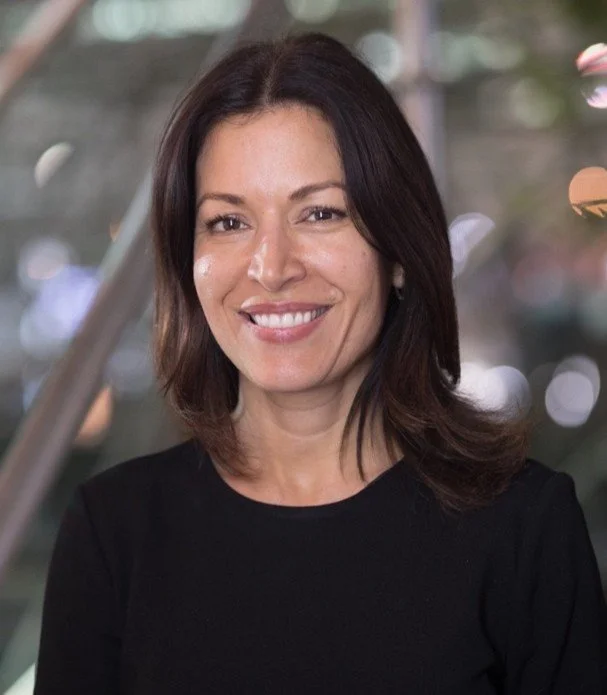
“I’m alive! And yes, it's not perfect, but in the beginning, I feared that I wouldn't be there to support the kids through their GCSEs and now here we are, celebrating their A-levels.”
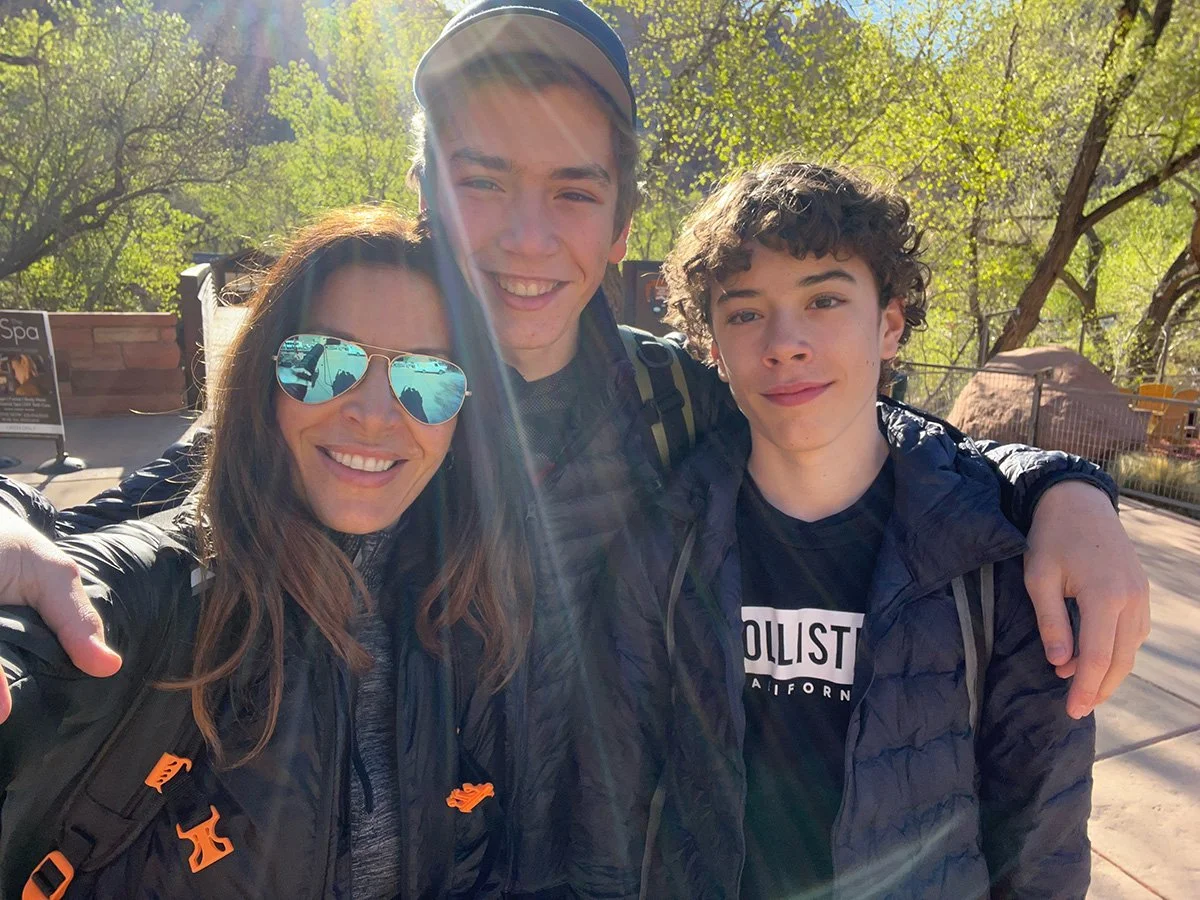
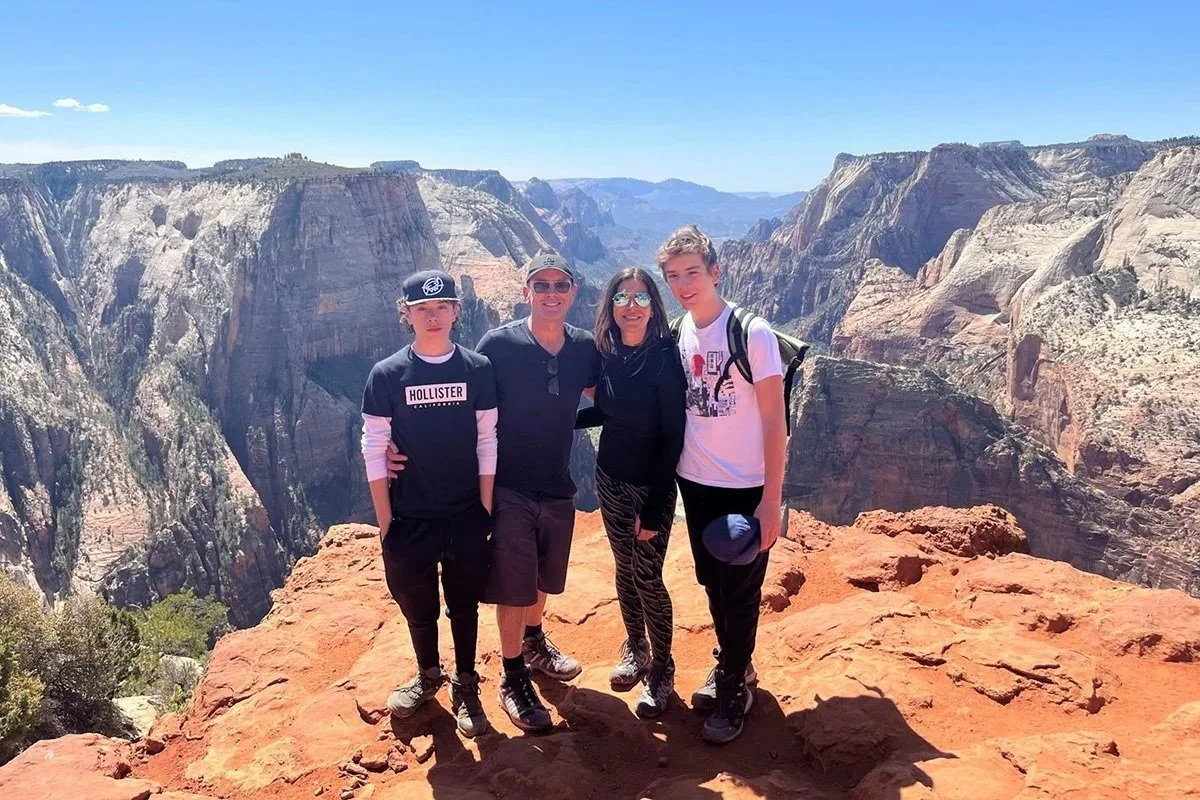
When we talk, Yvonne is sitting inside a cool, shady holiday home in August, whilst her twins and husband relax outside. The family are away celebrating the end of school and enjoying their last summer together before the boys venture off to university. Over the course of our conversation, it becomes apparent that, even without our call, being inside is where she would be, precisely because it is a beautiful sunny day outside. But it hasn’t always been this way, far from it in fact, as the family have always been very active with family holidays often including adventures like white-water rafting, challenging mountain hikes, or days spent skiing.
“It was in early 2021, when the UK was still in and out of lockdown, that I started noticing a cough. At that point we were allowed to walk outside with one person, I remember thinking one day when I was walking my dog with a friend ‘gosh, I have terrible allergies.’ I'd never had them before, but I just thought that must be what I have because by that point it was becoming difficult to hold conversations. By June I couldn't even hold conversations indoors, so I thought I had better see my doctor.” When Yvonne saw her GP she recounts how she explained to her that she was feeling this huge pressure in her chest, but was sure it was down to ‘work-related stress, or allergies.’ Her GP listened, and as well as gently agreeing that she was likely right, and prescribing some medication and inhalers she also suggested sending her for an x-ray, ‘just to make sure everything’s OK.’ Looking back at that moment Yvonne notes how lucky she was that “although I was helping to misdiagnose myself by telling her I was stressed, and that I had had this kind of feeling in my chest before” her GP decided to investigate further.
The route to diagnosis is often not an easy one, and this proved to be the case in Yvonne’s experience too. Over the coming months she had numerous tests, and often felt increasingly unwell, at times coughing to the point of vomiting. But she also had periods of feeling well and even took a trip back home to the US to spend time with her extended family. A number of tests needed to be repeated, as the results were unclear, and she recalls how during a call regarding her PET scan (a PET scan, or positron emission tomography scan, is an imaging test that helps detect disease) the consultant reassured her that although they could see ‘something cloudy in my chest’ it was ‘probably nothing.’ But a week later, a week after her 53rd birthday and the day before her scheduled appointment her consultant rang again. “I'm afraid to tell you it is lung cancer, and it’s in your lungs, your nodules, in your liver and it might be in your adrenals. We need further scans. I know you're coming in tomorrow with your husband, I just thought I have the information now so why not call you and tell you, and that way when you come in tomorrow, you can ask all the questions you need to ask.”
All photographs courtesy of Yvonne Diaz
With the benefit of time Yvonne feels that although being given such life-changing news in such a way was profoundly shocking, there is, in reality, no way to truly soften such a blow. In the moment however she was left reeling, and unsure how to respond. She recalls not wanting to disturb her husband, a dentist with a busy workload, nor being able to face her boys when they came home from school that afternoon. Instead, she shut herself into her room and tried to carry on as normal. “I had this whole stacked day, and the next scheduled zoom meeting was an important one, and so I joined it after that call. I think I was just clearly in shock, and mid-way through presenting to the whole global team I started crying, I remember going off camera and putting a note in the chat that I needed to drop out. I called my boss and told her, and it was just one of those surreal moments where she started crying hysterically while I was trying to be composed.”
Yvonne and her husband attended the appointment the next day, and as the complexity of getting a complete diagnosis became clear they initially decided to hold off from telling the twins, as well as their wider family.
The following weeks were incredibly tough, as alongside a battery of scans, often painful tests and examinations she started to feel progressively worse. Eventually, in August 2021 she was diagnosed with stage IV, ALK+ lung cancer. Anaplastic lymphoma kinase, which is more typically referred to as ALK-positive lung cancer, is a very rare type of non-small cell lung cancer (NSCLC) which only affects 2-5% of people with lung cancer. Stage 4 cancer, which is also known as metastatic cancer, refers to the most advanced stage of cancer, and as such it is usually not curable, only treatable. What became increasingly clear to them over the weeks following diagnosis is how it actually “takes a while from knowing that you have lung cancer, to figuring out what type of cancer it is. It's so technical, and there are 200+ different types of lung cancer and you're not meant to receive any treatment until they have confirmed your specific biomarker with lung cancers. Because for example if you were to have immunotherapy, it can prove to be very toxic for certain kinds of biomarker driven lung cancers, and even cause organ failure, once you take your targeted therapy.”
In her professional life Yvonne had spent over thirty years in heading up communications at various leading global corporate organisations. She explains how whilst “I'm not a scientist, I think through my work in corporate communications I've been used to looking at very complicated information that I don't necessarily initially understand, and then thinking about how to break that information down to a lay person. What is the key message being shared?” This skillset meant Yvonne felt able to ask key questions, to do her own research, and to call on the social and professional networks she and her husband had built up over the years to ask them for their help. It was during a meeting with an oncologist who she’d been put in touch with that she learnt about a clinical trial that he was conducting, and which she could, if she were found to have the specified biomarkers in her blood, perhaps join. She agreed, and the day before she was due to start chemotherapy she received the news that she was to be included in the trial.
“The consultant explained, ’You start your tablets on Monday, and as it is an oral therapy you take it should be so much easier on your body.’ I asked ‘what about the chemo?’ and he explained that I didn’t need that anymore as they knew what I had, which was amazing.” By the time she started treatment Yvonne was in a bad place and had gone from feeling mostly well to spending much of her time in bed, exhausted, weak, in pain and increasingly unable to eat. Seeing her like this was undoubtedly hard on her boys, and she couldn’t help but worry about how her life-changing illness might change their lives forever. “But it was quite remarkable, really, because within a week of starting treatment I was able to get out of bed a little bit more, and to start to stay up a little later, to slowly rejoin them at the dinner table in the evenings and then, not long after that, get back to walking the dog.”


Today Yvonne is still doing well, and her treatment protocol is helping her to live a life she could scarcely imagine in those first dark, difficult weeks. She also looks incredibly well, something that can be at odds with the expectations others have of a cancer patient. “Because I have an oncogene-driven lung cancer, I take a very specific, targeted therapy, and so I don’t struggle with many of the symptoms or side effects people expect when they hear cancer. I am back to feeling maybe 80% of how I used to be. It was hard to accept initially, but when my doctor explained that this might actually be my new 100% it really helped me. It helped me to accept that my health won’t ever be fully restored. There are side effects, including a severe toxicity to the sun so I can’t easily be outside with my family during the day anymore. Although my treatment is holding back my cancer, it's an inhibitor, and not curative. Eventually the pills will stop working, but there are other treatments that I can try, and they will have their own, often nasty, side effects. But you know what, I’m alive! And yes, it's not perfect, but in the beginning, I feared that I wouldn't be there to support the kids through their GCSEs and now here we are, celebrating their A-levels.”
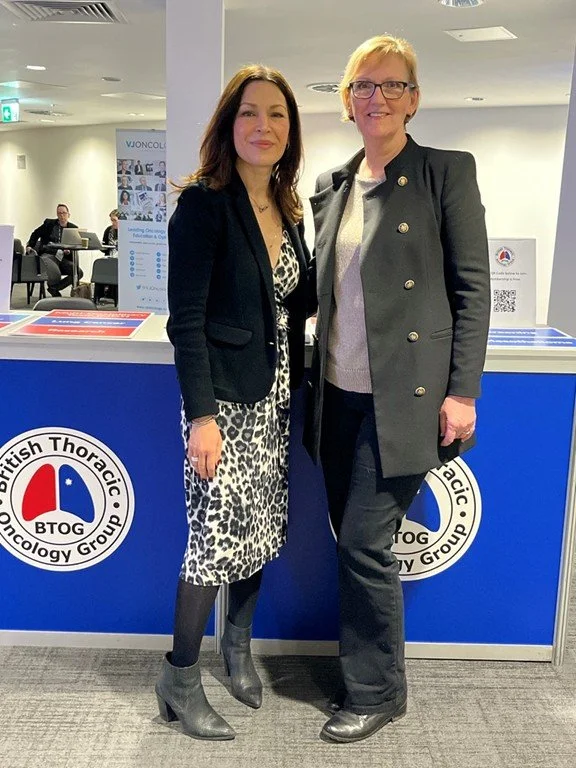
What is truly remarkable about Yvonne’s cancer journey is not only hearing about her personal pathway to acceptance but seeing how her determination to use her experiences and knowledge to get involved in patient advocacy, particularly in research activism and funding, that has moved the conversations around lung cancer forward. Over the past few years she has founded, alongside her co-founder Jan Clark, the charity Oncogene Cancer Research. Their primary focus is ‘on increasing the life expectancy for people with oncogene-driven cancers that originate in the lungs,’ through education, cutting-edge research and patient advocacy and support. She also sits on the Board of Directors of ALK Positive Inc, is a member of Lung Cancer Europe and she also serves as a patient representative on the CRUK/NIH-funded Cancer Grand Challenge’s Team CANCAN. When asked why, she explains simply how “the support that I had at the start of my journey gave me courage to advocate for myself, so now I help other people to learn how to advocate for themselves, because it's not always easy. We don't give medical advice, but we encourage and guide people to have important conversations with their medical teams, to ask questions, to get the information and treatment that could make all the difference.”

FIND OUT MORE
About Rarity Life:
Rarity Life is an online publication that offers those affected by rare disease, disability and cancer the opportunity to create content that is truly inclusive, to unify our collective experience and to celebrate and share our differences.
To read the latest edition and all previous releases of Rarity Life click here.
About Lung Cancer:
Lung cancer is the UK’s third most common cancer. Symptoms can include: a persistent cough that lasts three weeks or more, shortness of breath, repeated chest infections, coughing up blood, fatigue, unexpected weight loss or loss of appetite or shoulder pain or back pain amongst others.
Stage IV ALK-positive lung cancer is a very rare type of non-small cell lung cancer characterised by an abnormal fusion of the ALK gene. Symptoms may not appear until the cancer has spread, and they can include a chronic cough and bloody sputum. Stage IV ALK-positive lung cancer can be very challenging to treat, but in some cases targeted therapies can help improve both quality of life and survival outcomes.
To find out more visit the Roy Castle Foundation website here.
About Yvonne:
To find out more about the work that Yvonne does visit: